Rose Bush Pruning for Healthy Growth
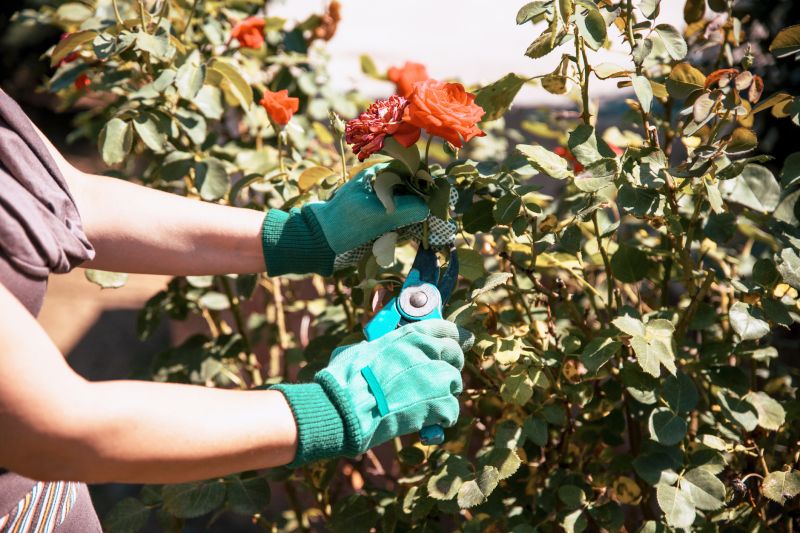
Ways to make Rose Bush Prunings work in tight or awkward layouts.

Popular materials for Rose Bush Prunings and why they hold up over time.
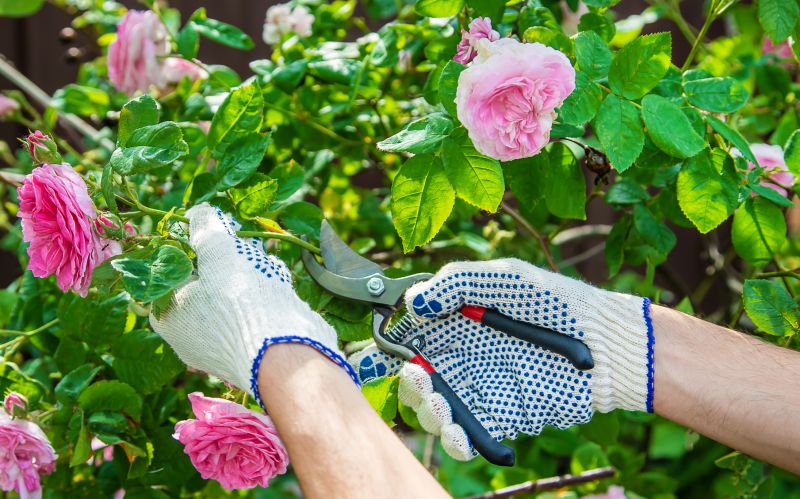
Simple add-ons that improve Rose Bush Prunings without blowing the budget.
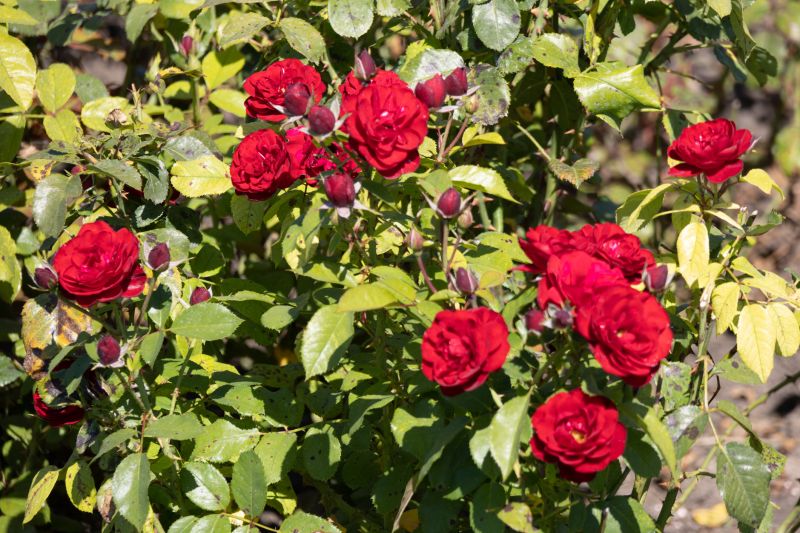
High-end options that actually feel worth it for Rose Bush Prunings.
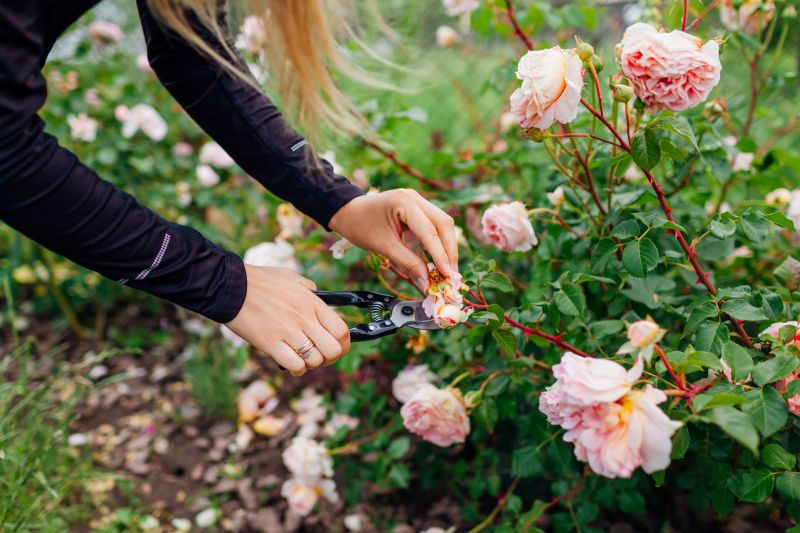
Finishes and colors that play nicely with Rose Bush Prunings.
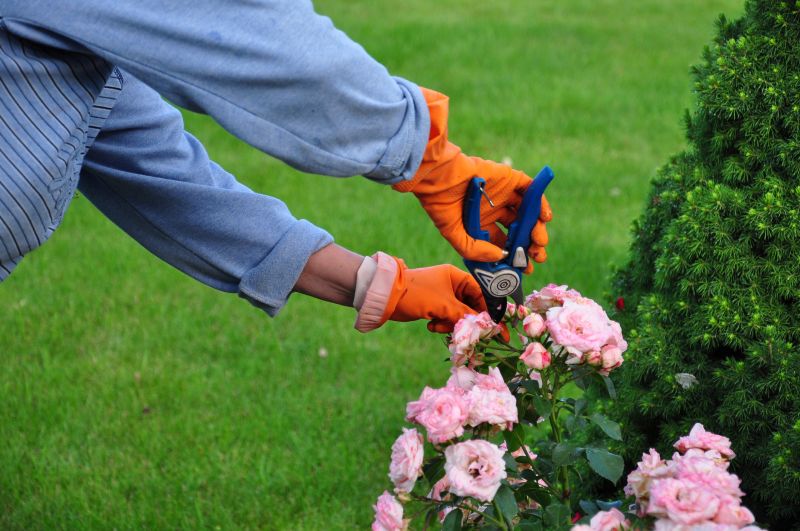
Little measurements that prevent headaches on Rose Bush Prunings day.
Rose bush prunings are an essential part of maintaining healthy and vigorous rose plants. Proper pruning encourages new growth, improves air circulation, and helps prevent disease. The timing of pruning depends on the climate and the type of roses, but generally, it is best done during dormancy.
Pruning at the right time can significantly impact the flowering potential of roses. In temperate regions, late winter or early spring before new growth begins is ideal. For areas with mild winters, pruning can be performed in late winter or early spring, just before the roses start to bloom. Proper timing ensures that plants recover quickly and produce abundant blooms.
Performed before new growth starts, typically in late winter or early spring, to shape the plant and promote flowering.
Light pruning to remove dead or diseased branches and encourage bushier growth.
Minimal pruning, mainly to remove dead or damaged wood, usually after the flowering season.
Ideal for most rose varieties, done when the plant is dormant to stimulate healthy growth.
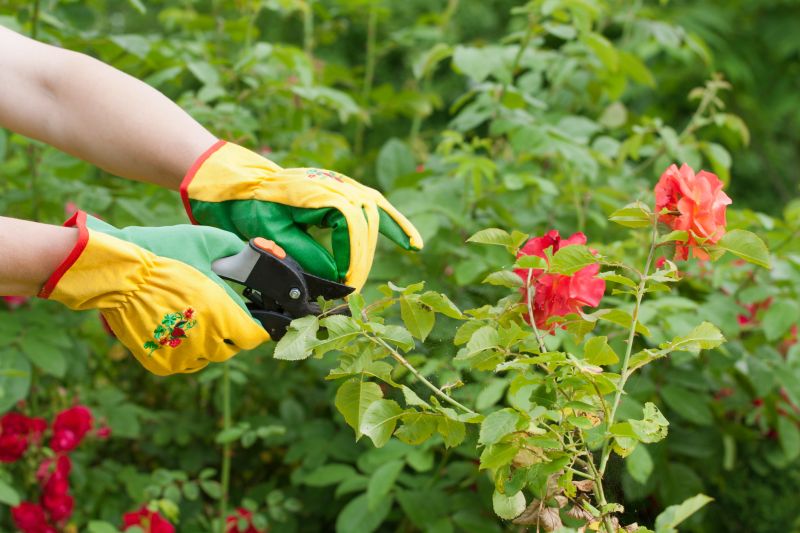
A 60-second routine that keeps Rose Bush Prunings looking new.
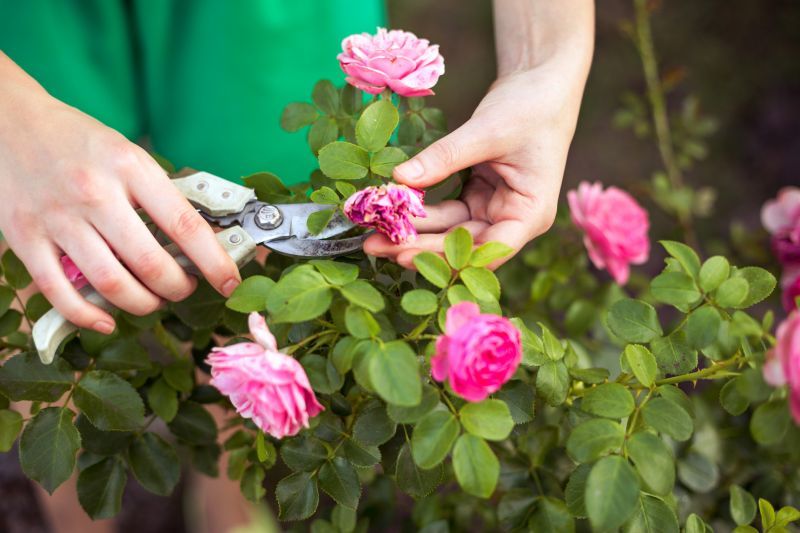
A frequent mistake in Rose Bush Prunings and how to dodge it.
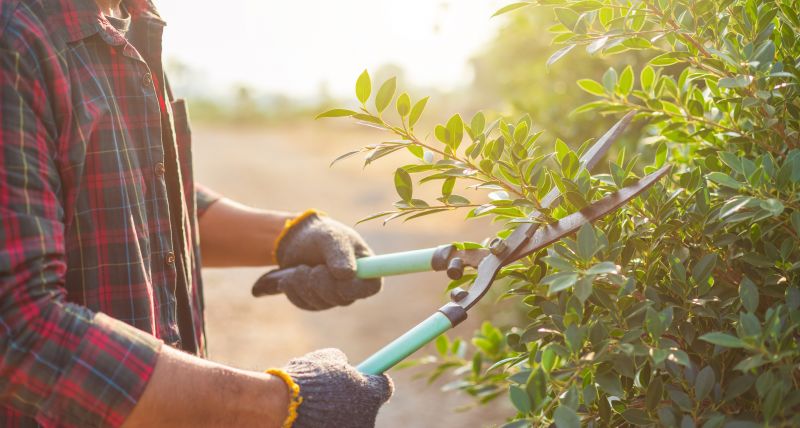
Small tweaks to make Rose Bush Prunings safer and easier to use.
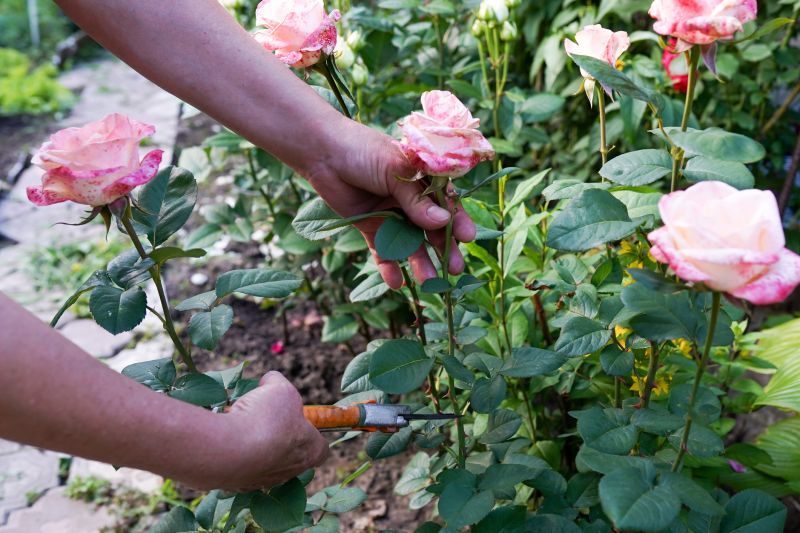
Lower-waste or water-saving choices for Rose Bush Prunings.
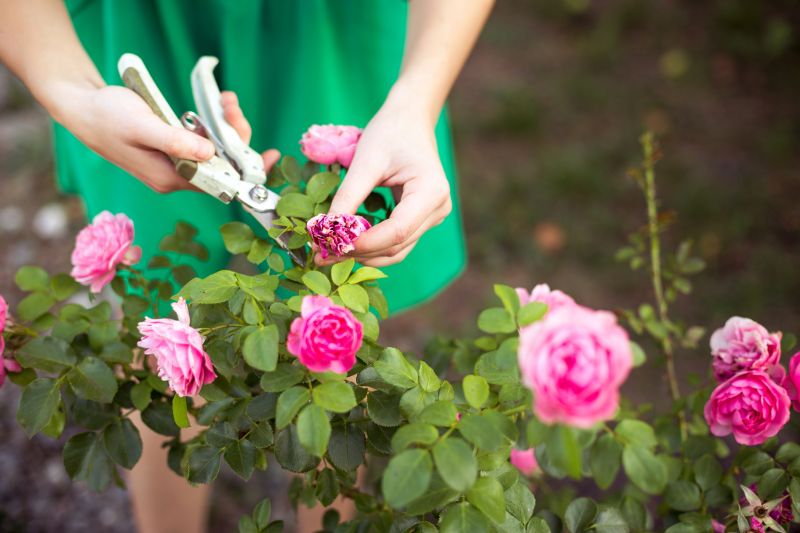
The short, realistic tool list for quality Rose Bush Prunings.

Rough timing from prep to clean-up for Rose Bush Prunings.
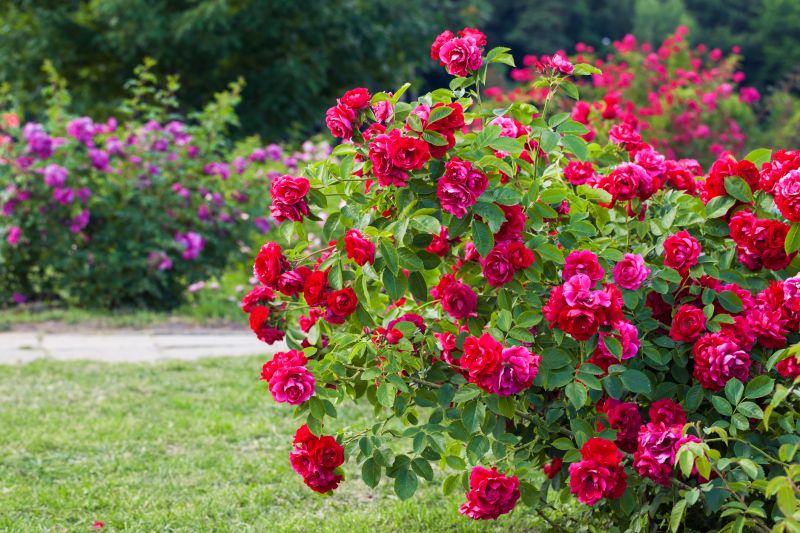
Quick checks and paperwork to keep after Rose Bush Prunings.
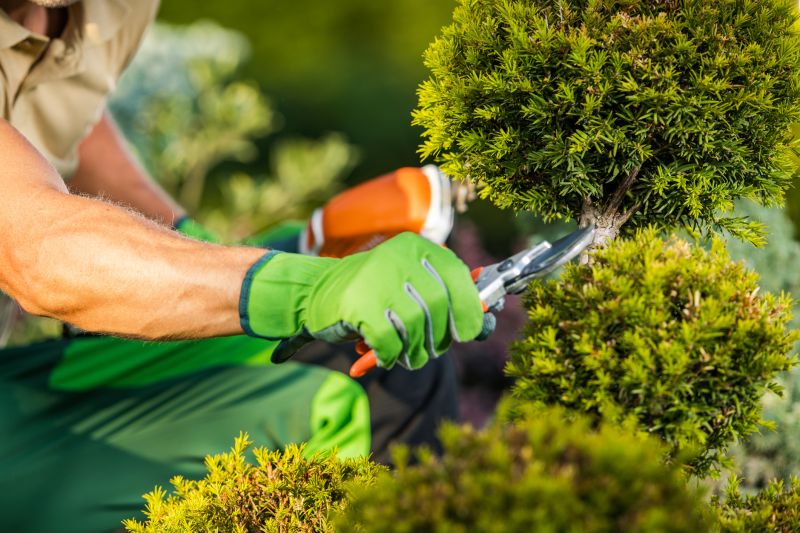
Examples that show the impact a good Rose Bush Prunings can make.
| Timing | Best Practices |
|---|---|
| Late winter to early spring | Perform pruning before new growth begins, remove dead or weak wood, shape the plant. |
| Post-flowering season | Light pruning to shape and remove spent blooms, encourage reblooming. |
| Mid-summer | Remove dead or diseased branches, maintain shape. |
| Fall | Minimal pruning, mainly to remove damaged or diseased wood. |
| Climate considerations | Adjust timing based on local weather patterns to avoid frost damage. |
| Tools needed | Use sharp pruning shears and loppers for clean cuts. |
| Pruning frequency | Typically once per year, with light maintenance during the season. |
| Health focus | Remove diseased, dead, or crossing branches to promote plant health. |